How AI receptionists lift first‑time‑fix rates by capturing better context
Independent garages can raise first‑time‑fix rates by collecting sharper diagnostic detail on the first call. See the question sets, workflows and trade‑offs.
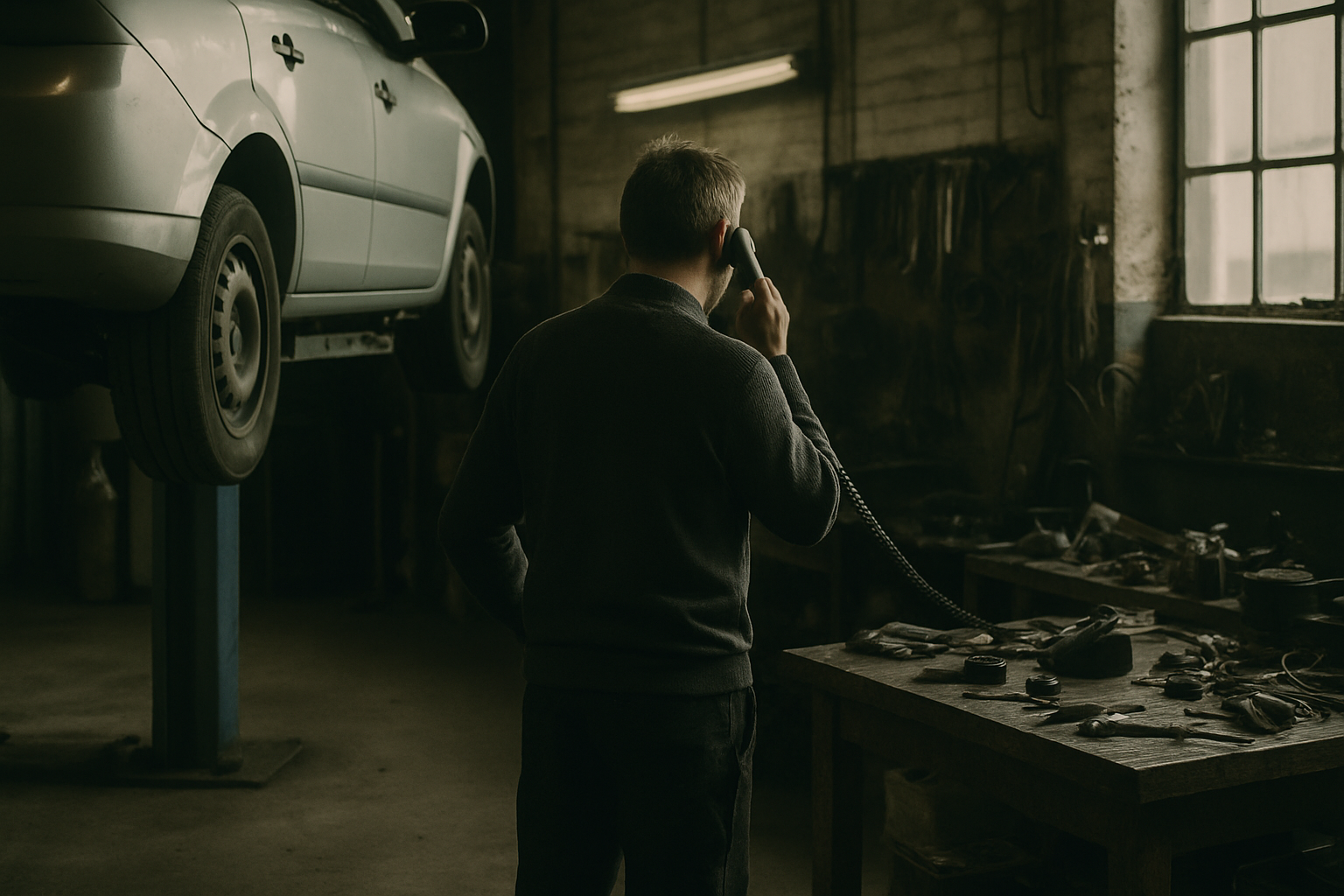
Most comebacks and rebooks aren’t down to poor workmanship; they start at the first phone call. If the initial description is vague, the booking is vague, the parts prep is guesses, and the job lands in the wrong bay. An AI receptionist built for garages fixes the starting point: it answers every call, asks the right diagnostic questions, and drops structured detail straight into the diary. Better context in, higher first‑time‑fix out.
Why first‑time‑fix slips in independents
Independent workshops live on variety. That variety is also what kills first‑time‑fix:
- Vague symptom capture (“noise from the back”) leading to the wrong slot length or bay.
- Missing data for parts selection (no reg, no fuel type, no transmission).
- No note of prior work (“another garage fitted pads last month”), masking root causes.
- Poor triage of driveability vs safety‑critical faults, so jobs queue in the wrong order.
- Surprises on the day (EV, performance mods, seized fixings) that weren’t flagged.
A human can catch a lot of this, but only if the call is answered, the person has time, and they follow a consistent question set. That falls over at lunchtime, during MOT peaks, and whenever two lines ring at once. An AI receptionist is simply a consistent intake process that never misses, never rushes, and never forgets the follow‑ups.
For clarity: an AI receptionist is a phone agent that speaks naturally, books jobs, and can send/receive SMS to gather photos and details. It writes into your diary system via your normal fields and notes. No apps for the customer to download.
What to capture on the call (and why it lifts first‑time‑fix)
Think of the intake as two layers: core identifiers you always need, plus symptom‑specific questions that shape the job.
Always capture:
- VRM, mileage, fuel type (incl. hybrid/EV), transmission, 4WD/AWD.
- Fault lights present and their colours (e.g. amber engine, red brake).
- When the symptom occurs: cold/hot, idle/part load/full load, speed or RPM bands, turning/braking/over bumps, wet/dry.
- Recent work, add‑ons or modifications (pads/discs, remap, towing, lift kits, aftermarket sensors).
- Drivability and safety flags: safe to drive? recovery needed?
- Customer constraints: must‑have‑back date, courtesy car need, while‑you‑wait or leave‑all‑day.
Then go symptom‑specific. Examples an AI receptionist can handle reliably in under two minutes:
Brakes noise/smell
- Where do you hear it? Front/rear/which side.
- Noise character: squeal, grind, scrape, clunk; speed range; braking light/medium/hard.
- Any vibration through pedal or steering?
- Recent brake work? Wheel/tyre change? Pothole hit? Why it helps: pre‑checks for backing plates, pad wear indicators, disc lip, hub face, stone trapped in shield; sets a likely 60–90 min slot, not a 30‑min “quick look”.
DPF/AdBlue lights (diesel)
- Exact dash message; steady/flashing; any limp mode.
- Typical journey profile (short hops vs motorway); last successful regen (if known).
- AdBlue level/brand added; any recent top‑ups.
- Fuel type used (B7/B10), last fill location if relevant. Why it helps: plan for forced regen, potential differential pressure sensor checks, or crystallised injector lines; set correct slot length and warm‑up time; warn customer about possible extended road test.
Non‑start/battery
- Cranks or not? Single click? Dead electronics?
- Battery age (sticker) and any jump‑starts this week.
- Aftermarket drain candidates: dash cams, trackers, infotainment swaps. Why it helps: allocate electrical tech and parasitic draw kit; consider recovery; line up correct battery spec if replacement likely.
Vibration at speed
- Speed bands and on/off throttle; through wheel/seat/body.
- Recent tyre work, impacts, or rim damage.
- 4×4? Any new driveline noises in turns. Why it helps: decide between balance/alignment slot vs driveline inspection; pre‑pick hub nuts, alignment bay time, and road‑test route.
EV/hybrid faults
- State of charge when fault appears; DC vs AC charging; charge rate drop.
- Warnings: turtle/limited power, isolation fault, coolant alerts.
- Recent software updates or charger change at home. Why it helps: separate charger/cable issues from vehicle faults; line up HV‑trained tech and isolation equipment; manage booking length.
An AI receptionist can also text a quick link for photos of dash warnings, tyre wear patterns, fluid leaks, or a short audio/video of a noise. The point isn’t to diagnose over the phone; it’s to avoid arriving blind.
Turning better context into first‑time‑fix
Context only matters if it changes what happens next. Here’s how to wire it into the day‑to‑day:
- Slot length and bay choice: Symptom tags drive 30/60/90/120‑minute defaults and pick the right ramp (e.g. alignment bay for vibration, EV bay for HV faults).
- Technician allocation: Route electrical jobs to the auto‑sparks, DPF issues to the diesel head, performance‑mod cars to the tech who likes them.
- Parts pre‑check, not pre‑order: With VRM, fuel type and axle position captured, the parts desk can line‑up likely options or confirm same‑day availability. Pre‑order only when it’s routine and reversible (filters, pads/discs with clear measurements), note the risk, and keep returns friction low.
- Road‑test plan: Speed bands and conditions from the call define the test route and whether two‑person tests are needed.
- Customer expectation setting: If a DPF regen may push past lunch, say so at booking. Fewer awkward 4pm calls.
Done consistently, garages see fewer “no fault founds”, less rebooking for the “proper slot”, and less waiting on parts that were always going to be needed.
Risks, trade‑offs and how to set it up right
No tool is magic. A few realities to respect:
- Leading questions: Bad scripts can steer customers to the wrong answer. Use neutral prompts (“what speed do you notice it?”) and offer ranges, not diagnoses.
- Call length: More questions can mean longer calls. Keep the core set tight; push optional items to an SMS form the customer can complete in their own time.
- False confidence: Notes aren’t gospel. Add “to confirm on inspection” to parts prep and always verify on arrival.
- Edge cases and safety: If red brake warnings, overheating, airbag faults or steering issues are mentioned, the AI should stop trying to book routine slots and escalate to a human for safety advice or recovery.
- Data hygiene: Force‑fill VRM, fuel type and contact details. Make prior work and modifications optional but prompted.
- Privacy: Only request what’s needed to fix the car. Photos should exclude faces and addresses.
A good setup also mirrors the way the workshop thinks. Create simple tags the team actually uses (e.g. “DPF‑likely”, “Elec‑non‑start”, “Brake‑noise‑rear”) and map them to slot types you already trust.
A 10‑minute configuration that pays all year
You don’t need a six‑month project. Do this once and review quarterly:
- Define your top 12 inbound fault types from last year’s diary.
- For each, write 5–7 neutral questions and the red‑flag answers that trigger escalation.
- Set default slot lengths and preferred bays/techs per tag.
- Write plain‑English SMS templates for photo/audio requests (dash light, leak, tread wear, noise).
- Add booking notes boilerplate for verification and likely chargeable diagnostics.
- Agree rules for parts pre‑checks vs pre‑orders.
- Test with three live customers this week; listen to the recordings; tighten the questions.
You’ll know it’s working when the technicians stop walking back to the desk to say “what is this actually in for?”, when parts stop playing catch‑up, and when the first road test proves the customer’s symptom in the first mile.
If you want to see how this looks in a working garage with real call flows and job notes, have a look at the case studies at /case-studies or start a guided trial at /get-started.
Découvrez ReceptionMate gérer vos appels
Réceptionniste IA conçue pour les garages — réservations directement dans votre agenda, 24h/24 et 7j/7, sans engagement.
Commencer